









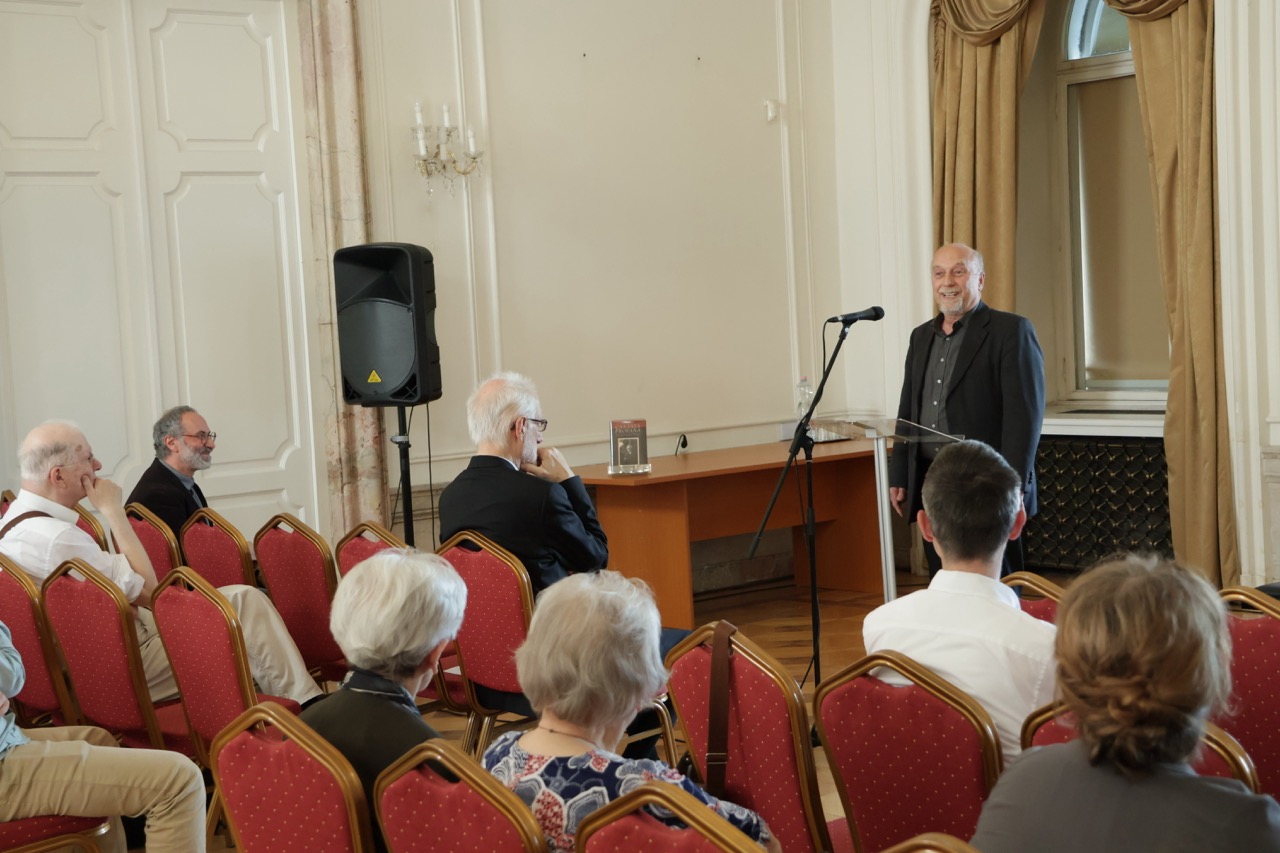
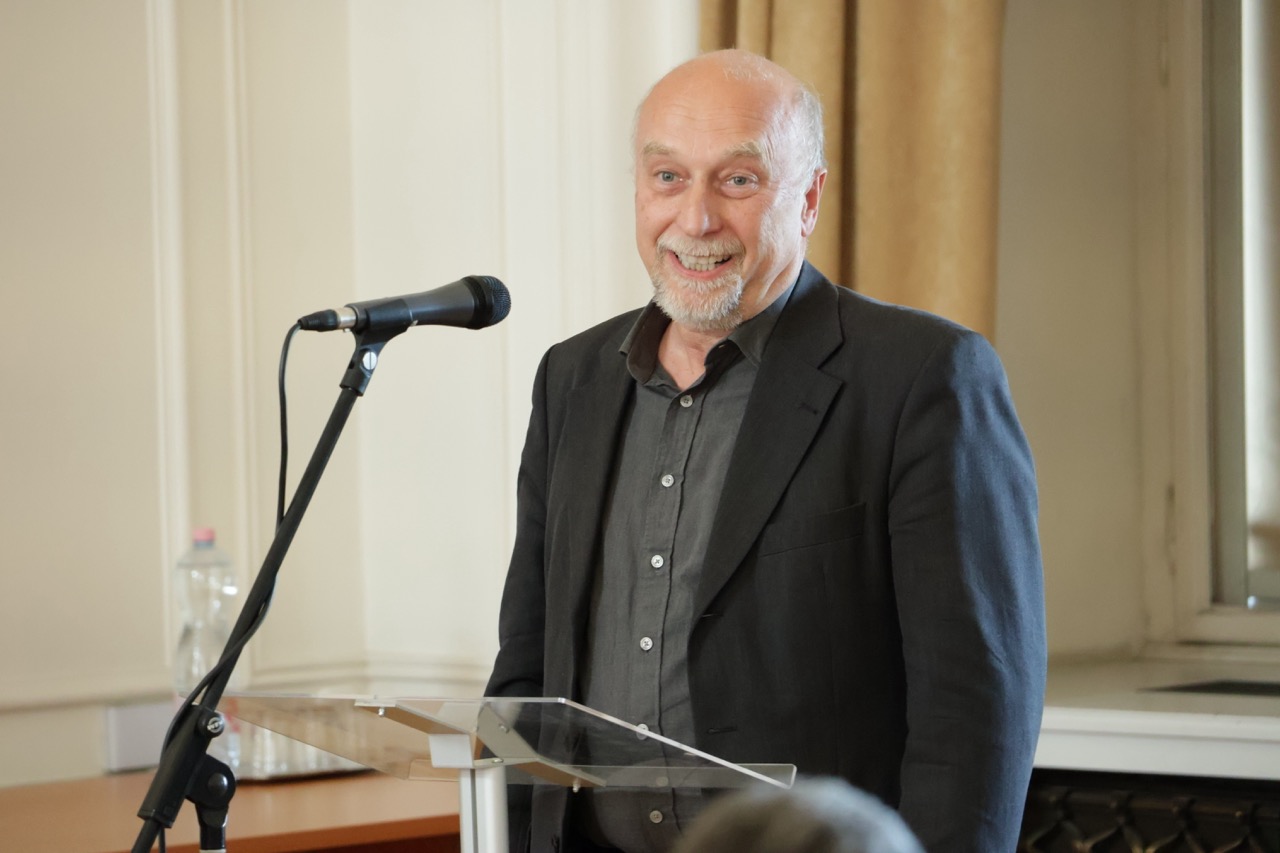
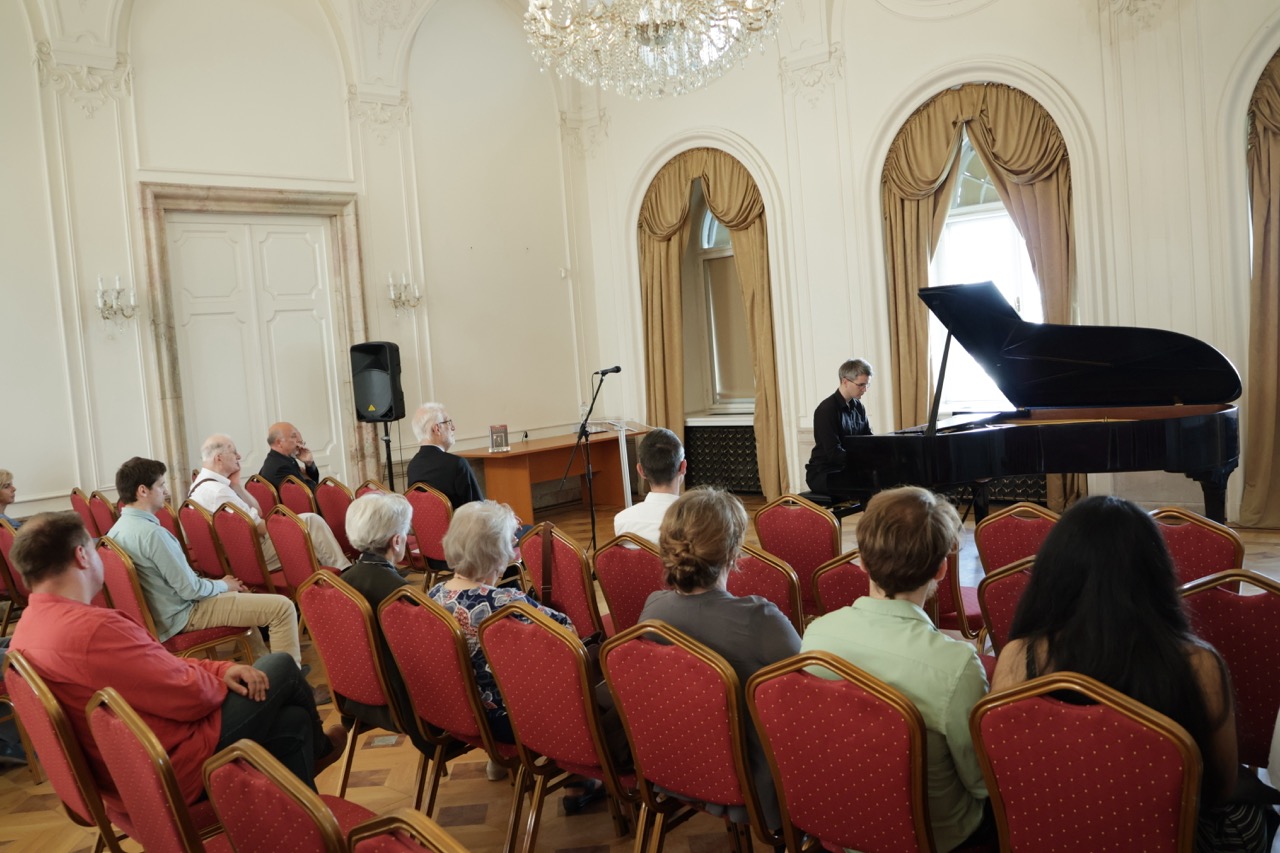
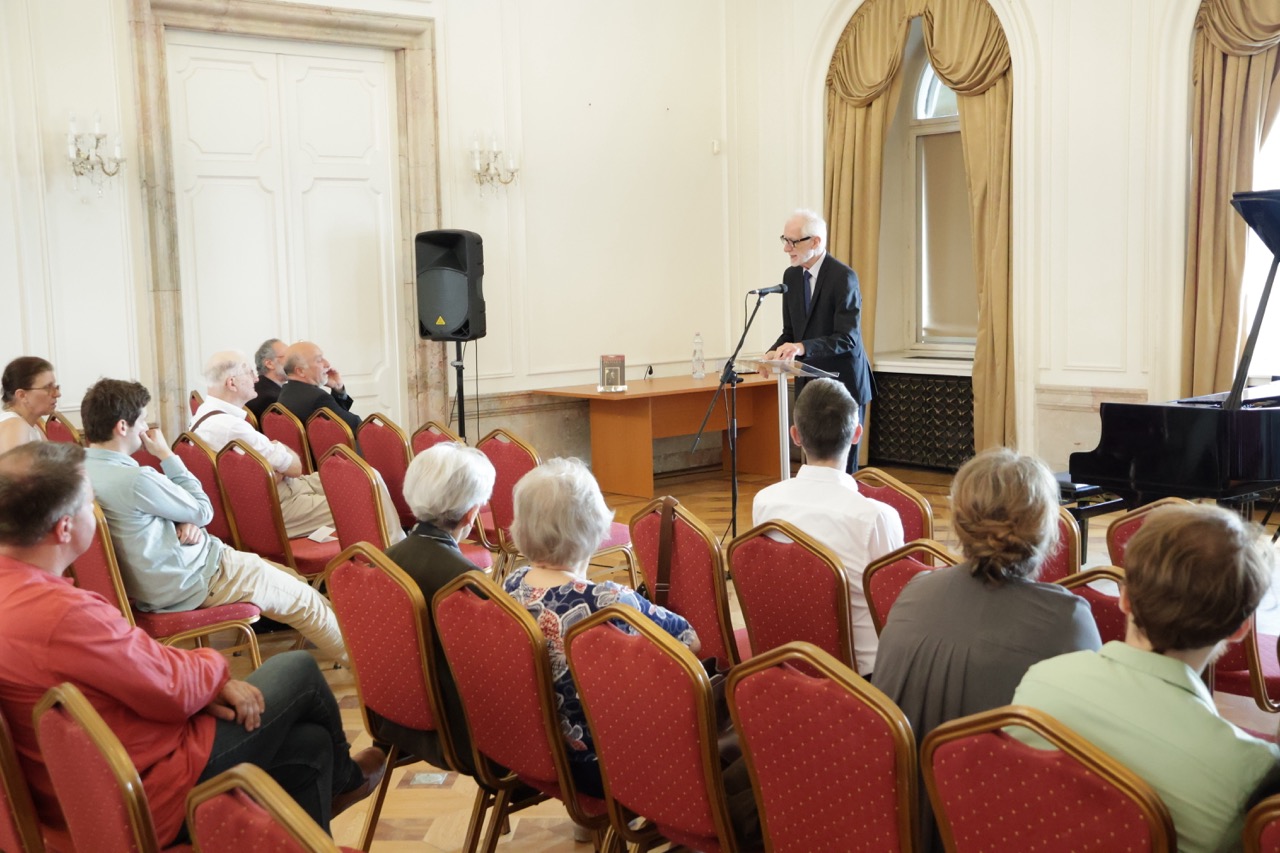
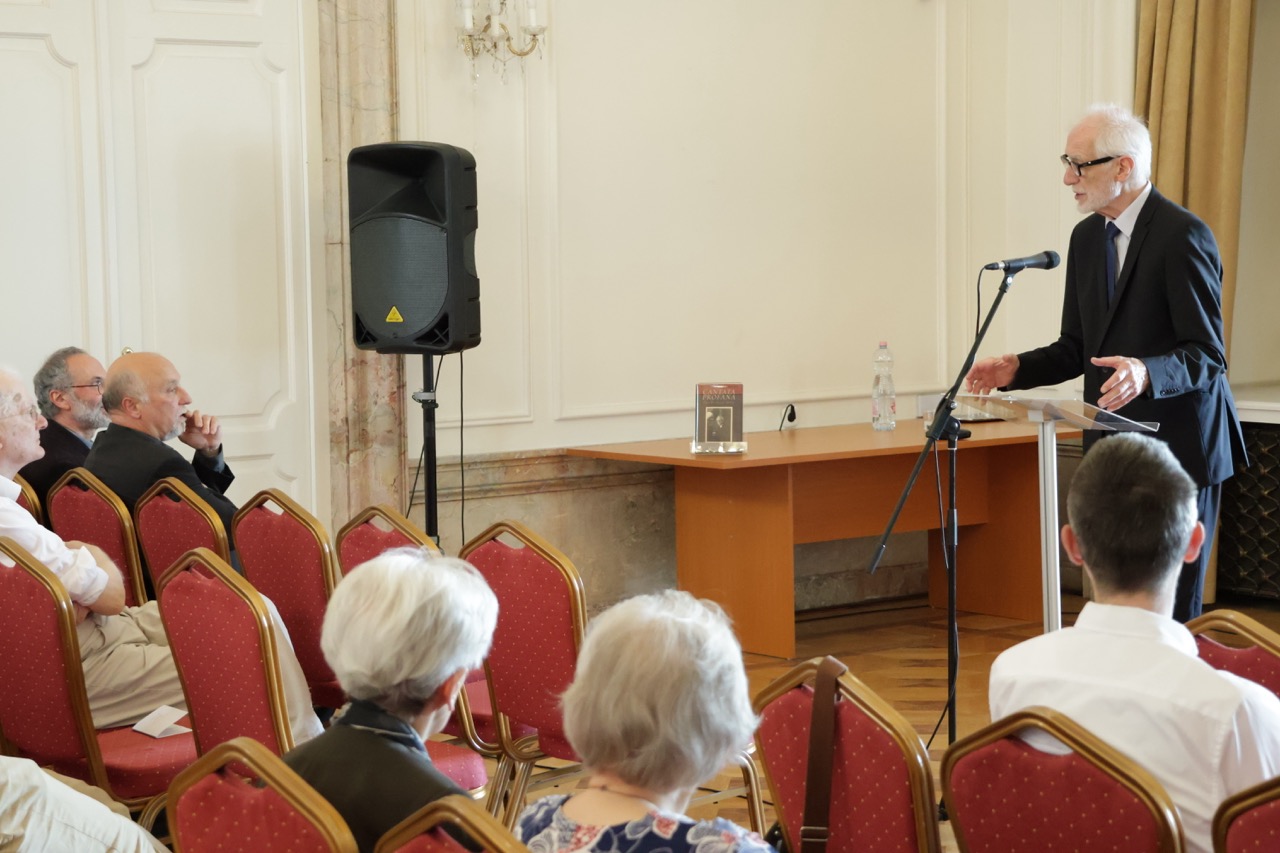
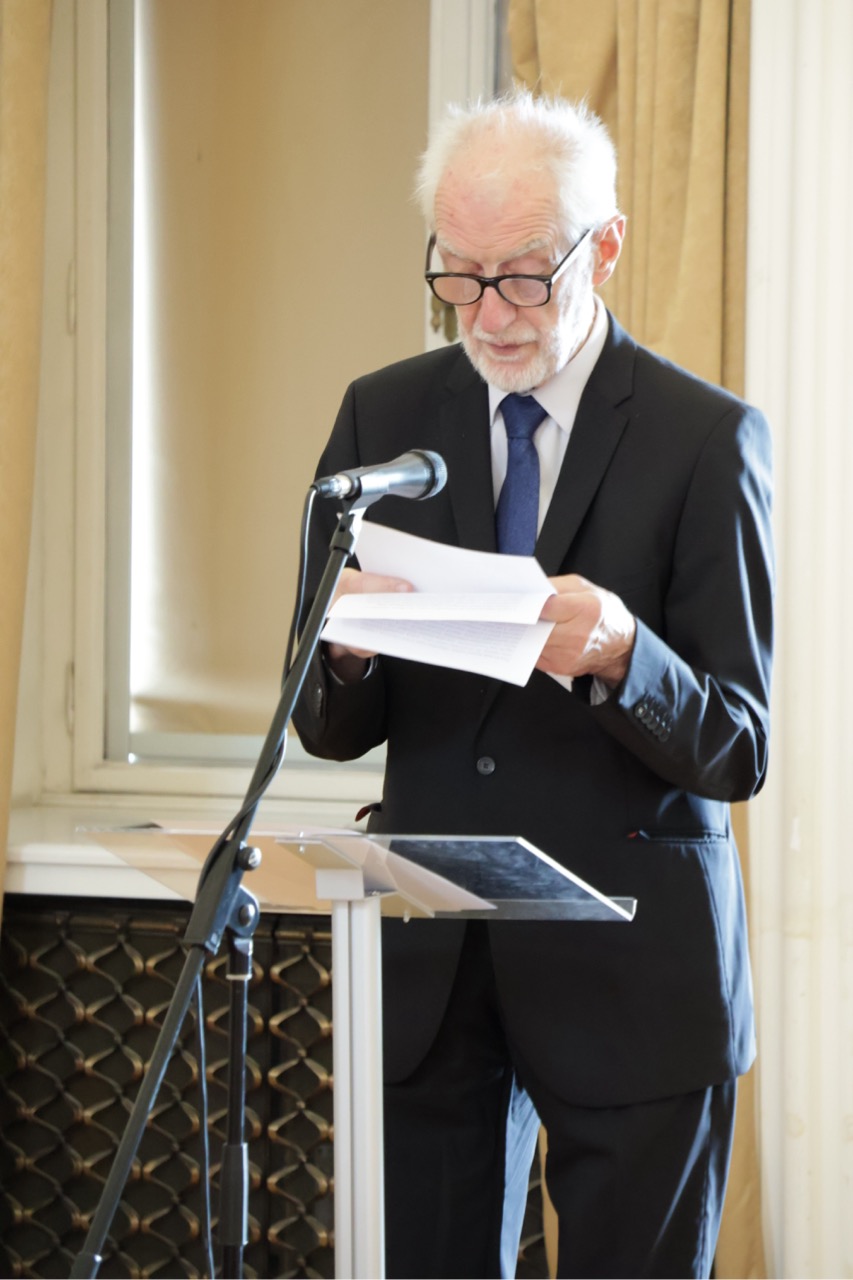
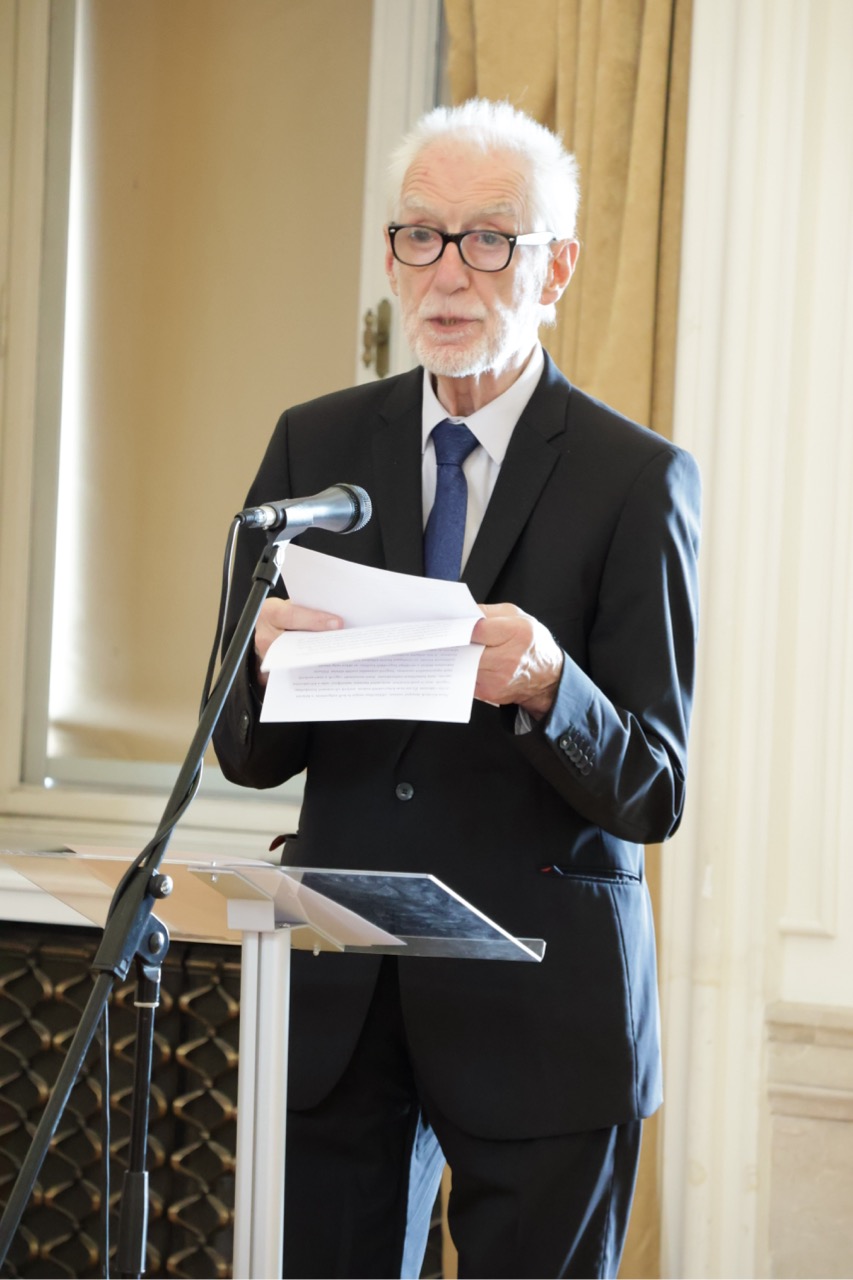
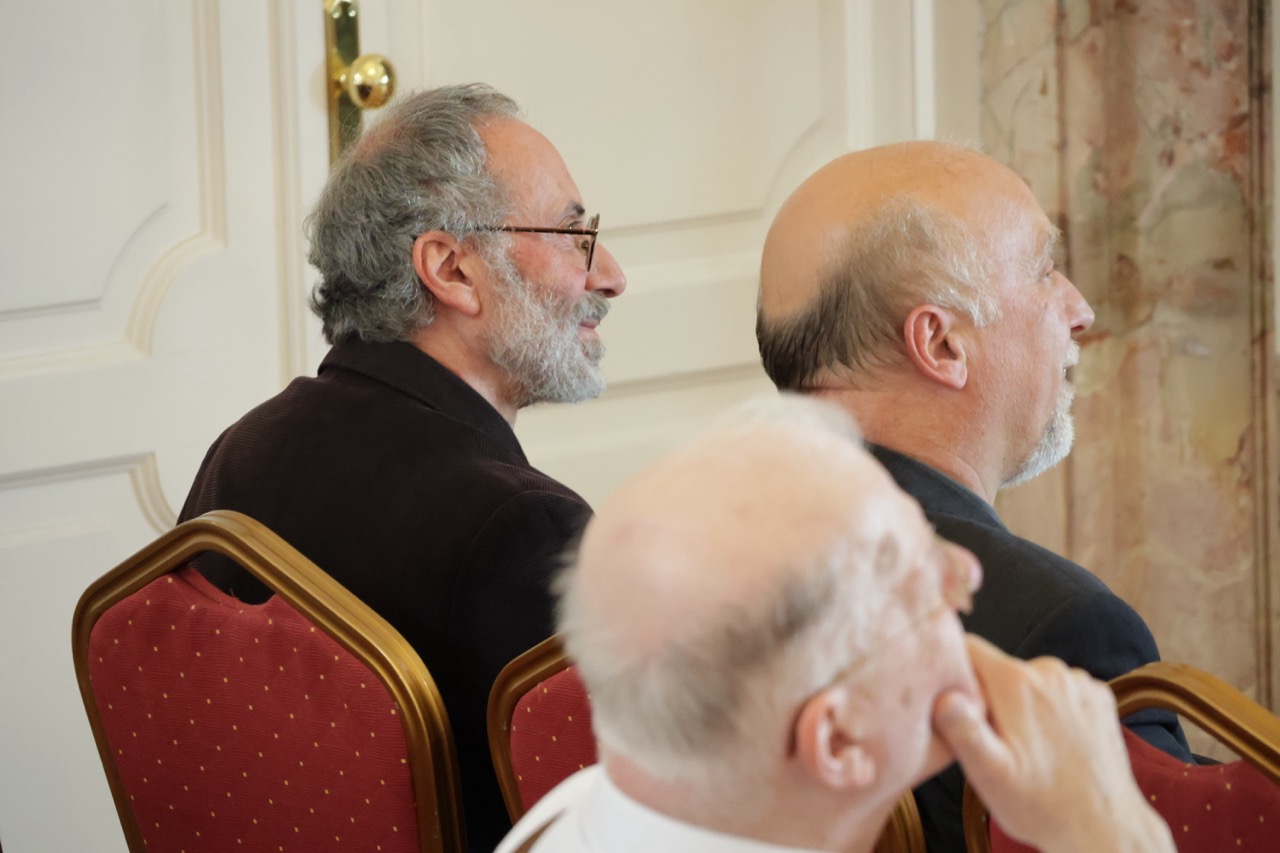
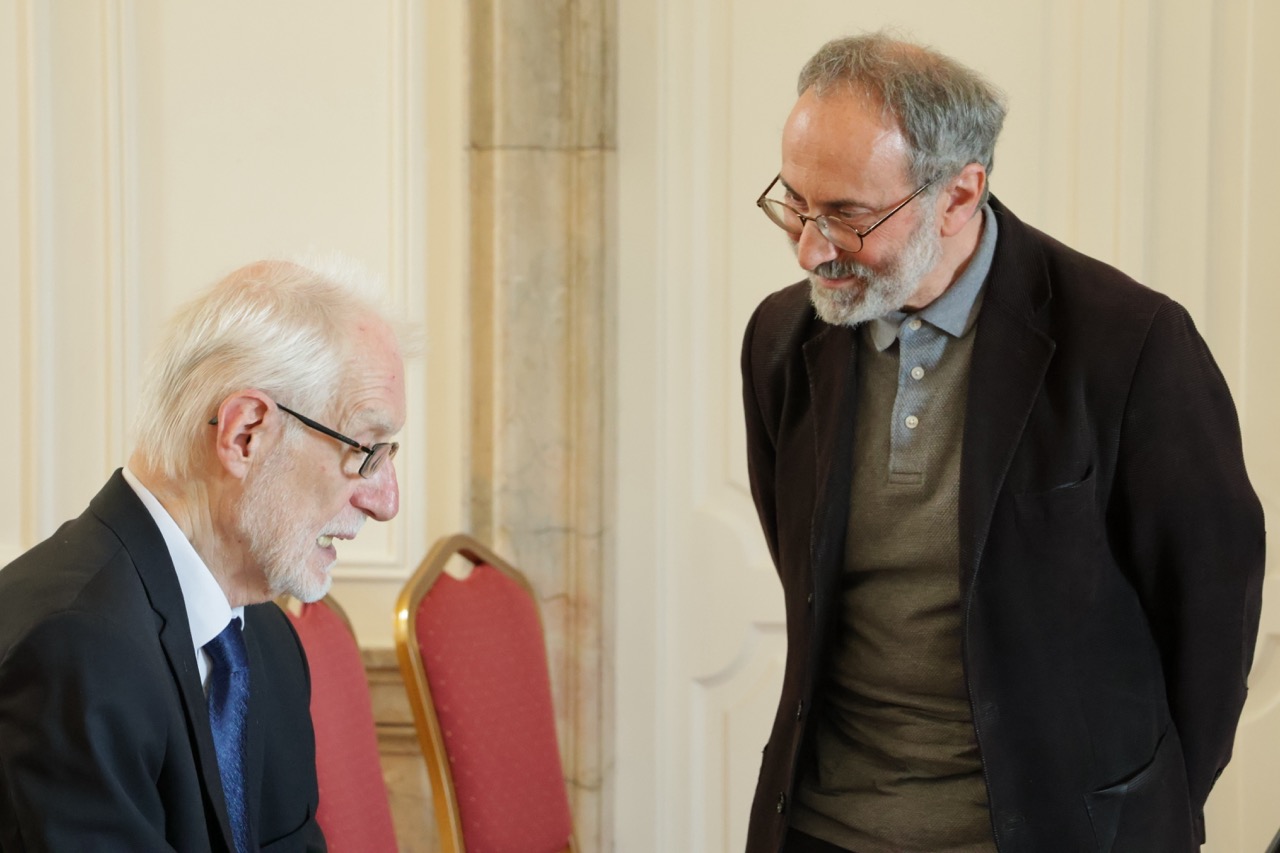
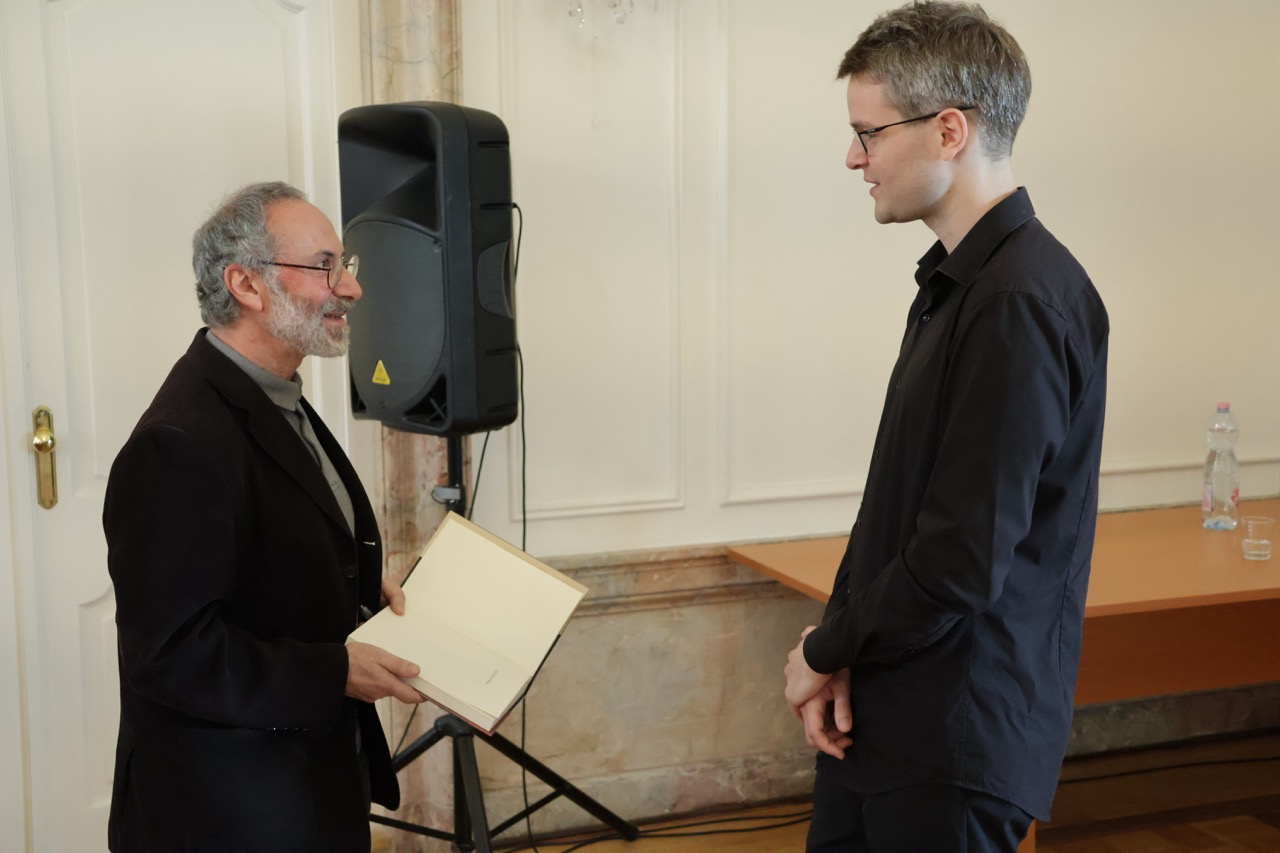
In December 2025, an English-language monograph on Béla Bartók’s Cantata profana for tenor, baritone, double chorus, and orchestra was published by the Oxford University Press, written by László Vikárius, head of the Bartók Archives at the Institute for Musicology of ELTE Research Centre for the Humanities. Following the open remarks by Pál Richter, director of the Institute for Musicology, Tibor Tallián, a full member of the Hungarian Academy of Sciences, presented the volume on 4 June 2026, in the Bartók Hall of the Institute for Musicology.
The review provided analytical, interpretive, and supplementary commentaries on the chapters of the book: On Prologue: Between “Sacred” and “Profane”, a reasoning based on the etymology of the adjective “profane” shed new light. 1. Bartók the Folklorist, raises questions about the depressing geographical and historical situation of the time. In 2. Romanian Christmas Songs, “one can most strongly sense that Bartók is guiding the writer’s hand”. 3. The Composition of Cantata profana: Covert Genesis is an account of the work’s hidden genesis, in which “Bartók ‒ Vikárius ‒ wanders through the forests of the œuvre, hunting for traces of the Cantata ‒ until he finds the documents of the work’s actual gestation”, 4. Documents of an Overt Genesis. 5. An Analysis of Cantata profana contains the analysis of the definitive composition, that proceeds note by note, and “evokes the feeling of a high-mountain hike along a forest path, with occasional glimpses of sun-drenched, enchanting valleys”. 6. The Reception of Cantata profana discusses a comparative examination of the work’s interpretations. And, finally, the Epilogue: An ars poetica explains the work’s textual and musical symbols.
The overview highlighted the key points in the chronology of Bartók’s œuvre, with particular emphasis on its symmetries, which “serve as a starting point for mapping out constellations of related works.” In addition to the parallels, special attention was drawn to the shifts in emphasis that run throughout the work’s interpretations, particularly the father-son alternative, which the reviewer resolved with the observation that “the recapitulation begins with the recitation of the text to the melody of the sons, as if offering a striking response to the filioque controversy.”
Tibor Tallián compared Vikárius’s approach – which investigates works and historical periods simultaneously – to the myth-analytical method proposed by Lévi-Strauss: “to write the myths one below the other, just as the lines of a musical score, and thus examine their similarities and differences.” He highlighted the clarity, polyphony, and fluidity of the arguments. In his closing remarks, he praised not only the complexity of the author’s perspective but also the intensity of his multifaceted focus: “He observes, examines, and evaluates his subject in its own right, compares it with other subjects and studies, and finally presents the knowledge he and others have gathered and systematically processed. Reading the book, one can sense its author’s merits almost on every page: how broadly he is informed and informs, how deeply he knows the material collected by others and their related observations, and with what modest self-assurance he states his own points of agreement or disagreement.”
Csilla Pintér
 |
 |
 |
 |
 |
 |
 |
 |
  |
 |
 |
 |